Dear friend,
What do you think about when you hear a phrase “flowers and the sea”? First of all, I see a rosa rugosa. A wooden path that takes me to the sea goes past a small seaside cemetery and then through a wild garden of willows, small pines, reeds and bushes of wild roses. In early summer they bloom pink, but in autumn I nibble on the sweet red skin of rose hips. Is it vitamin C or vitamin sea that gives me the energy for a long and dark Latvian winter, I still haven’t figured out.
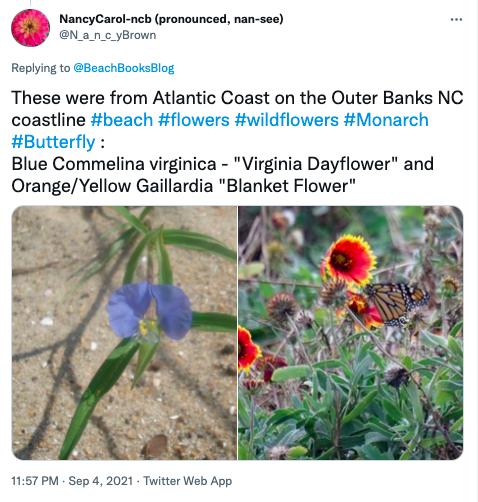
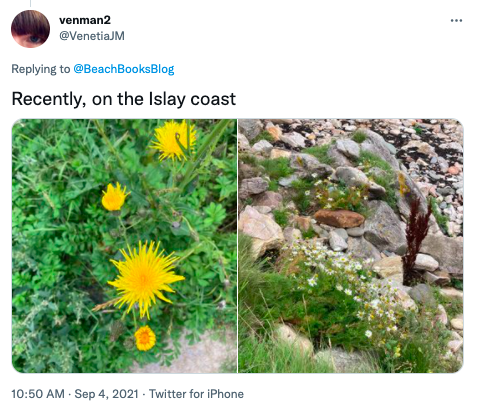
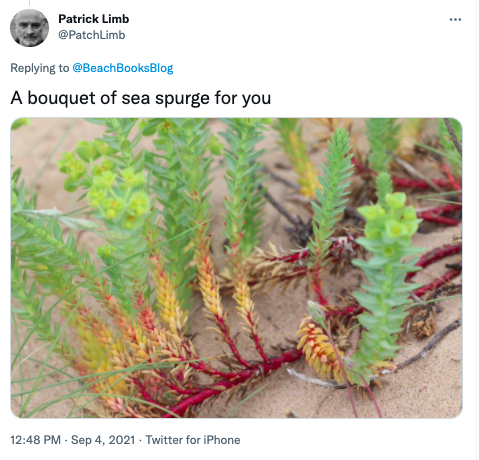
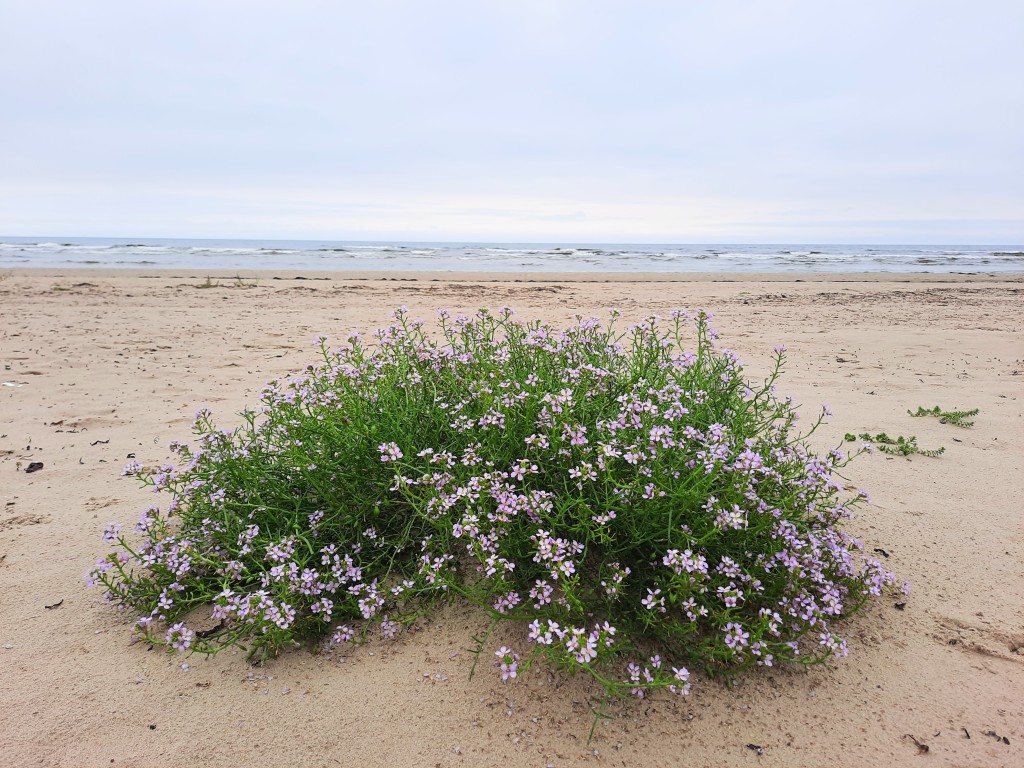
At the beach I notice other plants, that apparently love to grow in the white quartz sand. Their succulent stems rise up like a strange forest if I would be as small as a lady bug. The other day as I pushed my bike home, one green bush had suddenly turned into a pink pillow – the European searocket or Cakile maritima. So beautiful in the middle of a deserted beach on the background of the sea. I wanted to see more flowers by the sea, so I asked on Twitter to share photos from all over the world.
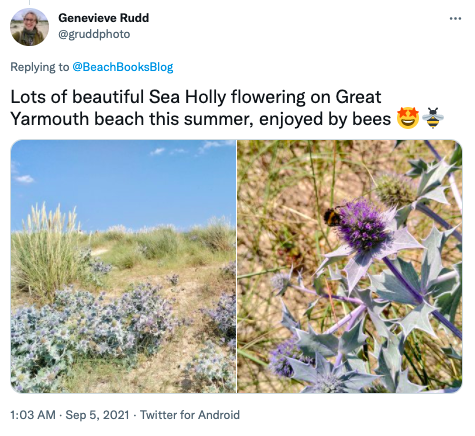
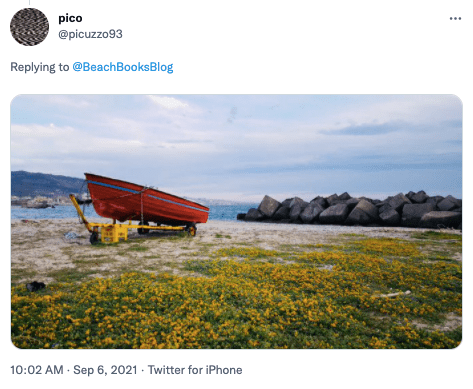
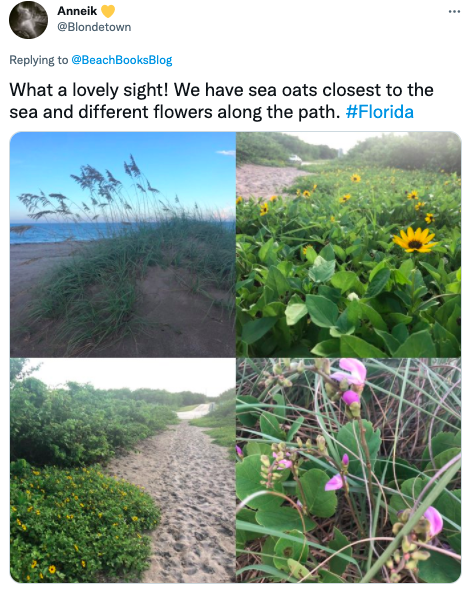
I also started to look for flowers in the Sea Library books.
In Tove Jansson’s “Moominpappa at Sea” I found a magical garden painted by Moominmamma as a mural on the walls of a lighthouse. It grew out of mother’s desperate longing for her own garden left at home and the fact that she didn’t really like to be in the middle of the furious sea. Turned out that she can walk inside the mural and have a refreshing nap in the orchard. Tove Jansson was very good at painting murals, too. In one she depicted the life at the bottom of the sea. Check them out in my post.
In Virginia Woolf’s novel “The Waves” I find little Rhoda playing with white petals in a brown basin of water. She imagines that petals are boats and that her basin is the sea. Her imagination took me by the hand and lead to a strange place where artist creates and also wants to control, but most of all she reminded me of the power of imagination and the power of the sea…
This summer I watched our flowers growing and blooming in pots on the sunlit terrace and read Derek Jarman’s memoir “Modern Nature”. His garden at Prospect Cottage is always on my mind when I see flowers by the sea. And the quote that his garden’s boundaries is the horizon reminds me why I do what I do so close to the sea.
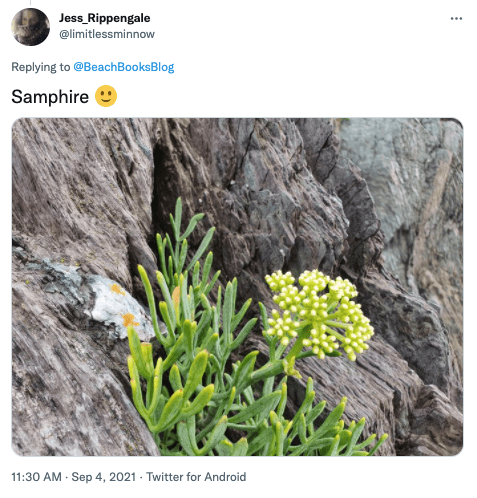
Then there is something entirely else what I see when I think of sea and flowers. I go under the sea, deep down where fantastic gardens grow. I read a lot of Jules Verne this summer and walked the seabed side by side with Captain Nemo, Professor Annorax and others.
It was amazing to discover that there really is an underwater garden with basil, strawberries, lettuce and orchids growing under the Mediterranean Sea, and that it is called the Nemo’s Garden. I have started new interview series for Sea Library’s young readers “When I Grow Up” to introduce with mind-blowing and inspiring professions connected with the sea. This week I interviewed Sergio Gamberini, an underwater gardener and creator of the Nemo’s Garden.
From picture book shelves I took Dahlov Ipcar’s children book from the 1960s “Deep Sea Farm” about a merman who looks after fish and crabs, and lobsters and who grows food in his underwater garden with help of two blue sea horses, accompanied by dogfish and catfish. It is a beautiful book that was sent to the Sea Library as a gift from San Francisco. I can lend it or any other book to you, just let me know, what would you like to read.
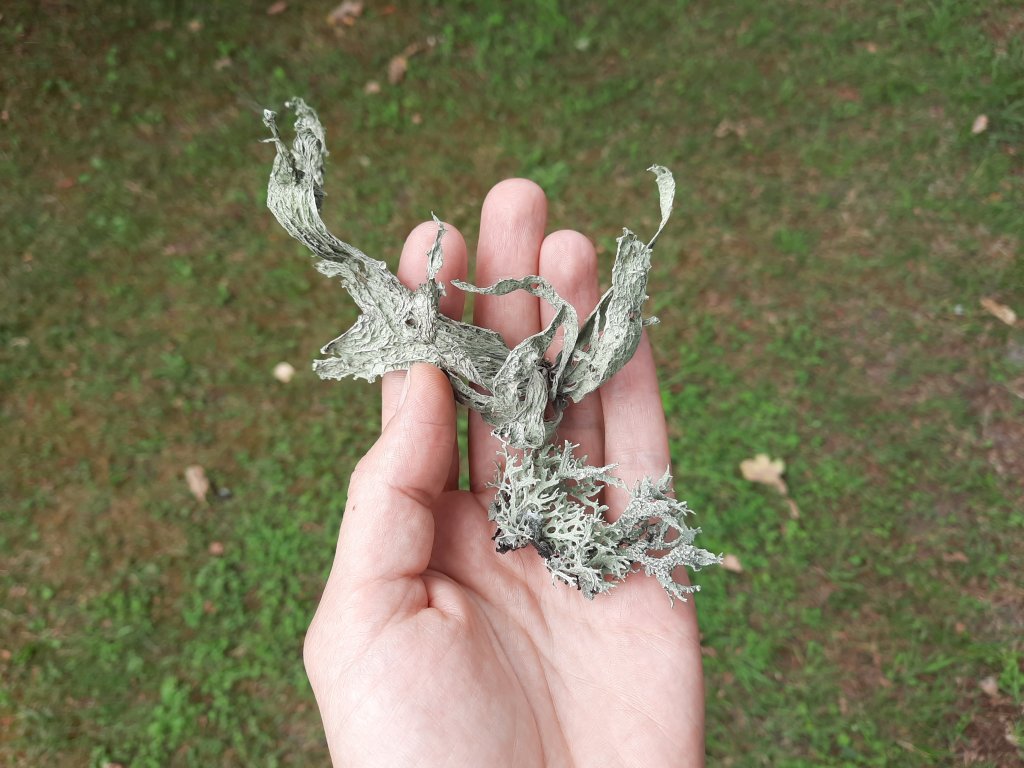
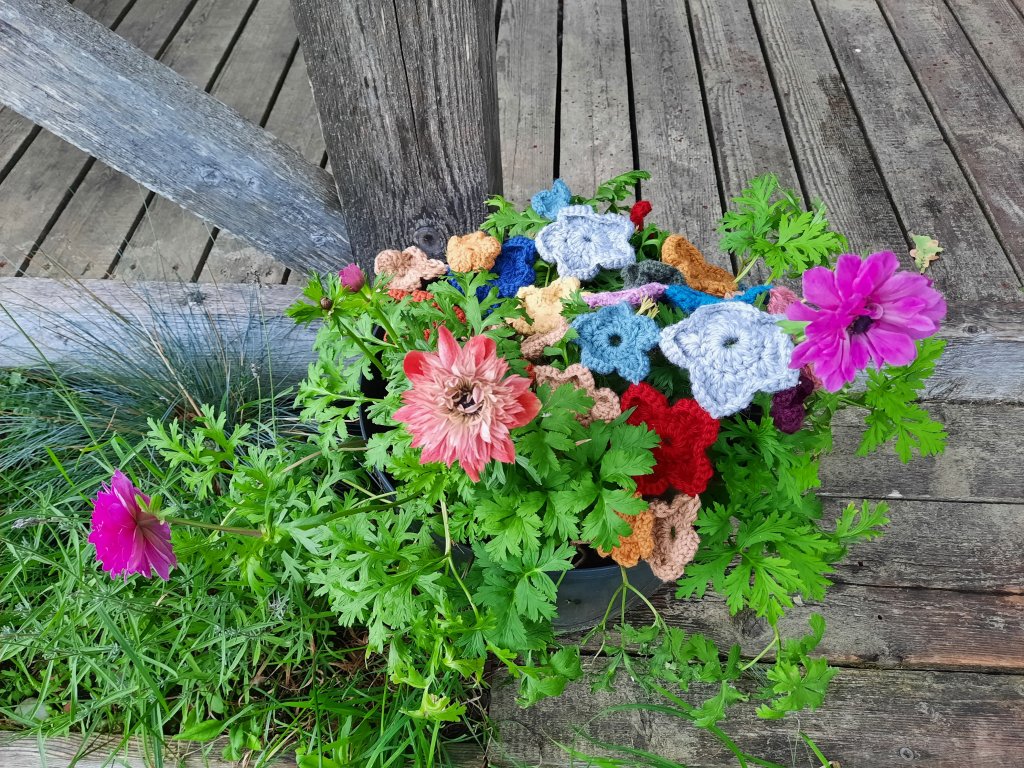
It is a grey and warm Sunday morning. Birds are singing in the nearby woods. Anemones are blooming on my terrace. I take my hot cup of coffee and walk around the garden. Copper coloured oak leaves on the ground and acorns under my bare feet tell about the autumn that has arrived despite this lovely week of Indian summer.
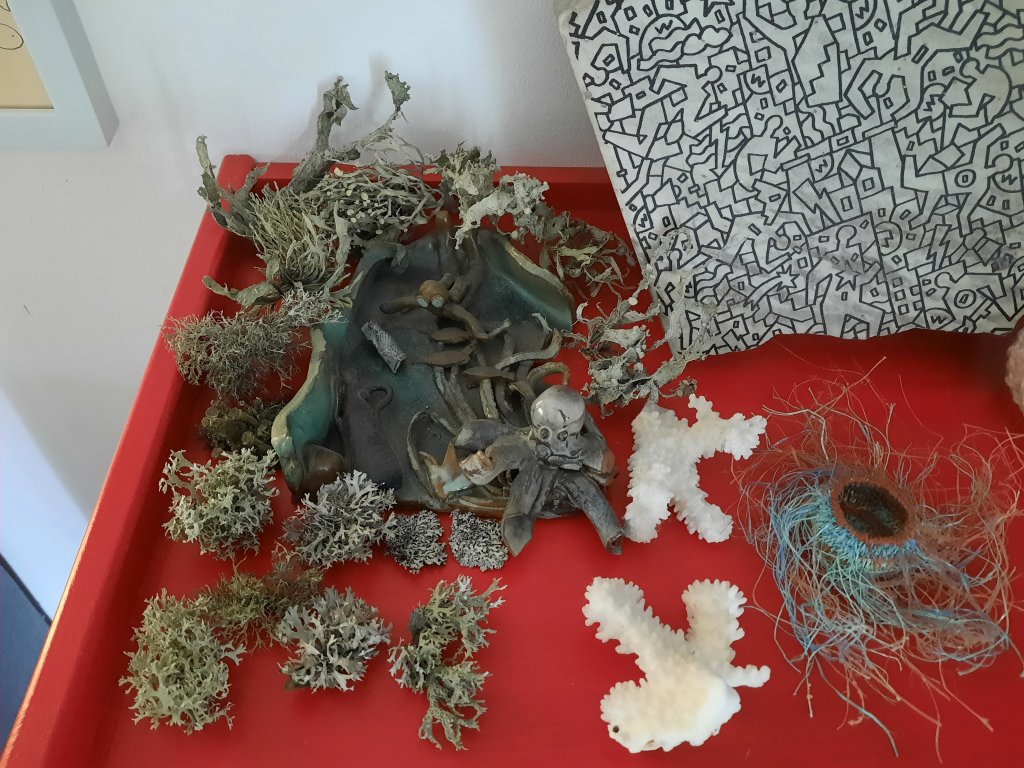
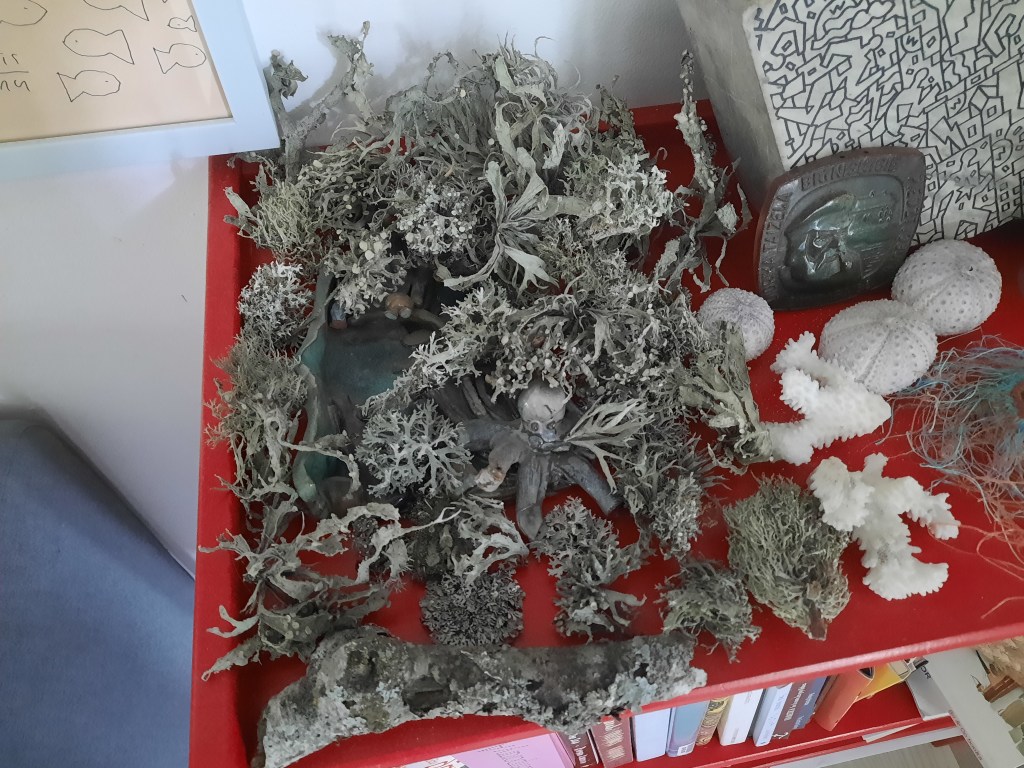
After windy or rainy nights my eyes search for fallen treasure: oak moss tentacles. I stoop and collect them, to slowly create a dreamy underwater garden of my own on the red shelf of the Sea Library. In the middle of it all is a diver with an aqualung made from clay and glazed dark green and brown, and there’s also an octopus. This wonder was made by my dad in the sixties when he was just a boy. When he grew up he became an artist.
Next week I will unfold another map and search for entirely different things in the books and the world around me. But before that, please, write me, what do you see when you hear the phrase “flowers and the sea”?
Yours,
Anna
***
Mīļais draugs,
Kas Tev ienāk prātā, kad dzirdi frāzi “puķes un jūra”? Pirmkārt, redzu mežrozītes. Dēļu laipa, kas mani ved no mazas piejūras kapsētas līdz pludmalei, vijas caur vītolu, niedru, mazu priedīšu un mežrozīšu krūmu savvaļam dārzam. Vasarā rozes zied rozā, bet rudenī plūcu un nograužu mežrozīšu augļu sarkanās un saldās miziņas. Vai tas ir C vai jūras vitamīns, kas man dod enerģiju garajām un tumšajām Latvijas ziemām, joprojām neesmu līdz galam sapratusi, bet auglīši garšo un atsauc atmiņā bērnībā dzerto sīrupu.
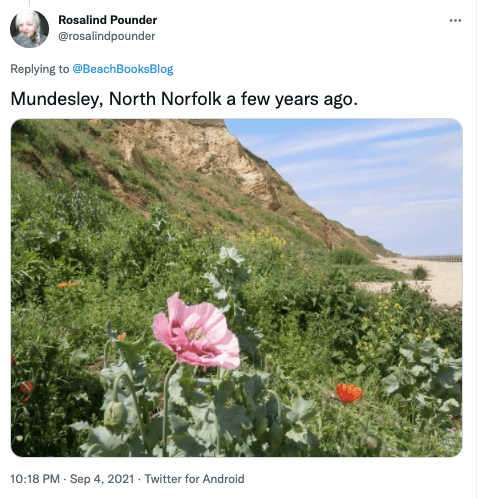
Pludmalē pamanu arī citus augus, kuriem baltajās kvarca smiltīs acīmredzami patīk. Sukulentu zariņi slejas kā savdabīgi meži, ja vien es būtu maza kā mārīte. Nesen, stumjot riteni mājup, pamanīju, ka viens zaļš puduris – Baltijas šķēpene – ir pārtapis rozā spilvenā. Tik ļoti patika, kā tas izskatās pludmales šķietami neauglīgajā tuksnesī uz jūras fona, ka jautāju Twitter, lai kāds atsūta vēl bildes ar puķēm jūras krastā. Saņēmu kadrus no visas pasaules.
Sāku puķes meklēt arī Jūras bibliotēkas grāmatās.
Tūves Jansones grāmatā “Tētis un jūra”, kas bibliotēkā pieejama arī latviski, ir dārzs, kas top kā sienas gleznojums uz bākas sienas. Muminmamma tik ļoti ilgojas pēc savām dobēm, kas palika mājās, un tik ļoti nespēj pierast pie aurojošās jūras visapkārt, ka sāk uz sienas gleznot puķes. Izrādās, ka tas ir maģisks dārzs, kurā mamma var ieiet un nosnausties ābeļdārzā. Arī Tūve Jansone ir radījusi vairākus sienas gleznojumus, tostarp atainojusi dzīvi jūras dzīlēs. Aplūko tos manā bloga rakstā!
Virdžīnijas Vulfas romānā “Viļņi” ir maza meitene Roda, kura spēlējas ar baltām ziedlapiņām bļodā ar ūdeni. Viņa iztēlojas, ka ziedlapiņas ir laivas un bļoda ir jūra. Meitenes iztēle mani aizveda uz savādu vietu, kur mākslinieks ne tikai rada, bet arī kontrolē radīto pasauli, kā arī atgādina par iztēles un jūras spēku…
Šovasar rūpējoties par puķēm uz mūsu saulainās terases un vērojot kā tās uzzied, daudz lasīju Dereka Džārmena dienasgrāmatu “Modernā daba”. Viņa Prospekta kotedžas piejūras dārzs ir domās klātesošs, kad vien redzu ziedu pudurus pludmalē. Citāts, ka viņa dārza robežas ir horizonts, man atgādina, kālab visu, ko daru un radu, es daru jūras tuvumā.
Tad ir kaut kas pilnīgi cits, ko redzu, domājot par puķēm un jūru. Iztēle ved mani dziļi zem jūras, kur dzelmē zeļ pasakaini dārzi. Šovasar izlasīju Žila Verna grāmatas, kuras bibliotēkā vari aizņemties arī latviski, un pastaigājos pa jūras gultni līdzās kapteinim Nemo, profesoram Anoraksam un citiem.
Biju patiesi pārsteigta, uzzinot, ka tāds zemūdens dārzs tik tiešām eksistē, un Vidusjūras dzīlēs tiek audzēts baziliks, zemenes, salāti un orhidejas. Turklāt to tā arī sauc – par Nemo dārzu. Esmu uzsākusi jaunu interviju sēriju “Kad izaugšu liels” Jūras bibliotēkas jaunajiem lasītājiem, lai iepazīstinātu ar pārsteidzošām un iedvesmojošām profesijām vai nodarbēm, kas saistītas ar jūru. Šonedēļ intervēju Serdžio Gamberīnī – zemūdens dārznieku un Nemo dārza izveidotāju.
No bērnu grāmatu plaukta nocēlu bilžu grāmatu, kuru sešdesmitajos gados sarakstīja un ilustrēja amerikāņu māksliniece Dālova Ipkara. “Dzelmes ferma” angļu valodā stāsta par nāru–fermeri, kurš rūpējas par zivīm, krabjiem un omāriem un audzē pārtiku savā zemūdens dārzā. Darbos viņam palīdz divi zili jūraszirgi, suņzivis un kaķzivs. Šo skaisto grāmatu bibliotēkai kā dāvanu atsūtīja no Sanfrancisko. Ja vēlies to vai jebkuru citu grāmatu aizņemties, dod man ziņu!
Šorīts ir silts un lietains. Kokos dzied putni, uz terases joprojām zied anemones. Ar kūpošu kafijas krūzi izstaigāju dārzu. Uz zemes sakritušās vara krāsas ozollapas un zīles zem plikajām pēdām liecina, ka tomēr ir iestājies rudens, lai cik jauka būtu bijusi atvasaras nedēļa.
Pēc vējainām vai lietainām naktīm ar acīm meklēju no zariem nokritušus ķērpjus. Lasu tos un pamazām kolekcionēju pati savā zemūdens dārzā uz Jūras bibliotēkas sarkanā plaukta. Dārza vidū ir māla ūdenslīdējs un astoņkājis, glazēti brūnos, zaļos un pelēkos toņos. Vēl mazs puika būdams, to sešdesmitajos uztaisīja mans tētis. Kad viņš izauga, kļuva par mākslinieku.
Nākamnedēļ atlocīšu jau jaunu karti, lai grāmatās un pasaulē sev apkārt meklētu jau pavisam ko citu. Bet tikmēr atraksti man, kas tev ienāk prātā, kad dzirdi frāzi “puķes un jūra”?
Anna

 Sea Library
Leave a comment